Attic insulation in the GTA, with the personal care of a family business. Stay warmer in winter and cooler in summer with an attic system designed to work together.
Our installers are trained to identify and address attic deficiencies that could prevent the components of your attic system from working together as intended.
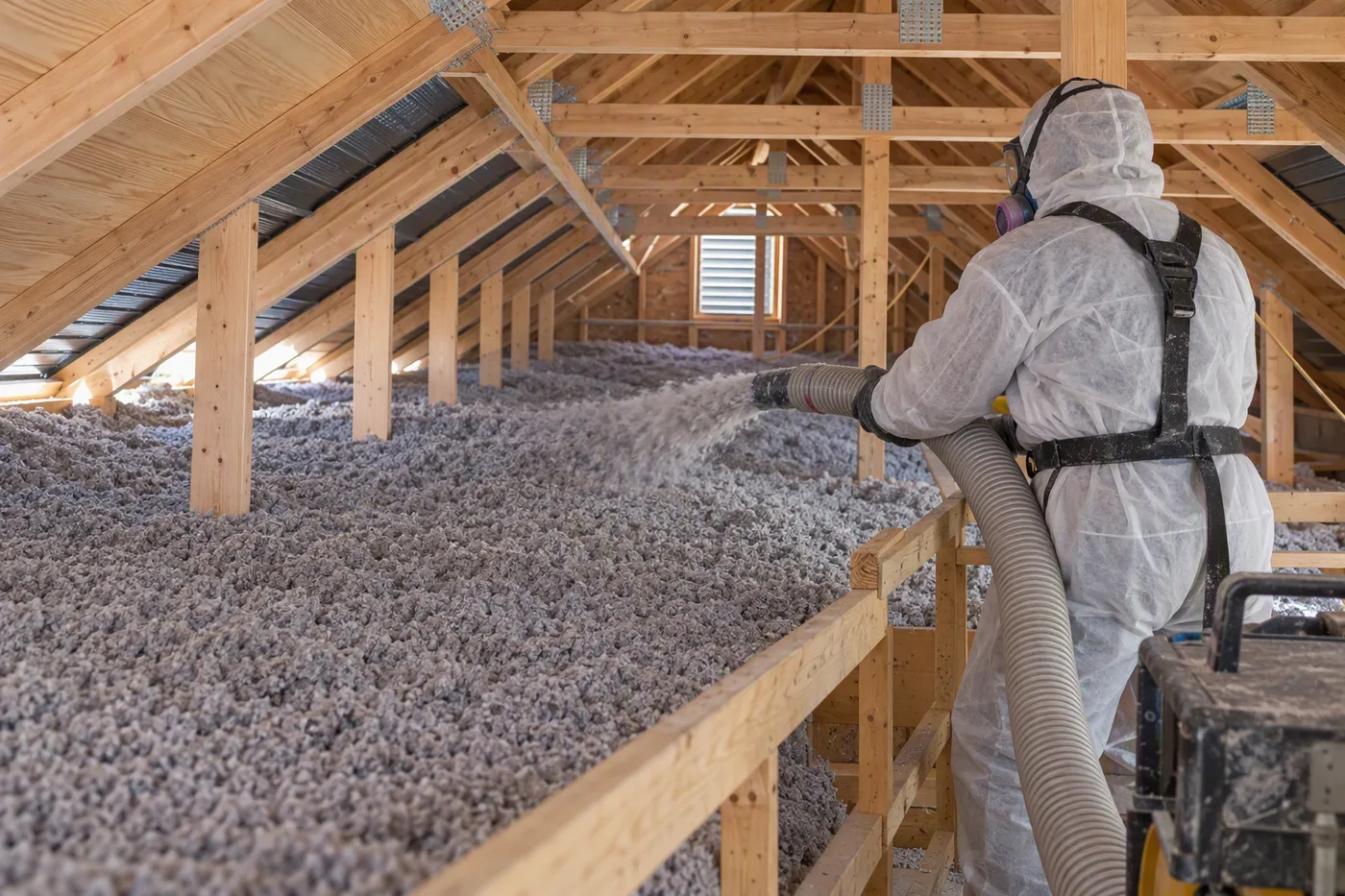
Blown-in cellulose. Thoughtful installation.
Years of hands-on experience
Personal service, from the start.
A qualified installer. No salesperson.
Attic care for year-round comfort.
A comfortable home takes more than another layer of insulation. We look at the whole attic, find what needs attention, and explain the right next steps for your home.
Your attic and roof work together as a system. Balanced ventilation and good insulation, combined with proper air sealing, can help extend your roof’s lifespan by limiting moisture buildup, helping prevent mould growth, reducing heat loss into the attic, and lowering the risk of ice dams that can lead to leaks and roof damage.
Improve the insulation above your living space with carefully installed blown-in cellulose fibre. We assess what is already there before recommending an upgrade.
Not all insulation materials offer the same benefits. Alongside thermal performance, cellulose fibre can help dampen sound for a quieter living space.
Cellulose insulation is treated with fire-retardant additives to improve its resistance to ignition and flame spread.
Climatizer Plus cellulose insulation is treated with additives for resistance to pests and vermin. Insulation alone does not keep rodents out; sealing entry points remains essential.
Ventilation, air sealing, and bathroom vent connections all play a part. We consider how these details work together to help manage air movement and moisture.
Balanced attic ventilation helps moisture escape, while air sealing limits warm, moisture-laden indoor air leaking into the attic. Together with well-installed insulation, these details help reduce heat loss and moisture buildup, lowering the risk of mould and moisture-related damage.
Properly connected bathroom exhaust ducts carry humid air outdoors, rather than into the attic. Insulated ductwork helps reduce condensation along the way.
Skylight tunnels and knee walls, the short walls separating living space from the attic, also need attention. Inadequate insulation and gaps in air sealing can make these areas significant sources of heat loss. We assess these weak points to identify where improvements are needed.
Uneven temperatures, recurring ice dams, or signs of mould? We investigate the conditions behind the problem, with thermal camera inspection where appropriate.
We look for:
When conditions are suitable, thermal imaging highlights surface-temperature differences that can point to insulation gaps or air leakage. It helps guide closer inspection, rather than providing a diagnosis on its own.
We consider the findings together to identify likely causes and explain which repairs or upgrades are needed to address the underlying problem.
For homes with severe or recurring ice damming, removing the old insulation may be worth considering, depending on what the inspection reveals. During your attic inspection, our specialist will give you an honest assessment of whether removal is warranted and explain the recommended next steps.
Insulation slows heat transfer. Air sealing helps limit unwanted air leakage. Ventilation provides a path for attic airflow. Getting the details right means looking at all three.
We pay attention to the attic hatch, ceiling penetrations, and other places where indoor air can escape into the attic.
We review attic airflow and ventilation pathways, including whether insulation is obstructing the intended flow at the eaves.
Bathroom exhaust belongs outdoors. We check vent connections as part of understanding moisture conditions in the attic.

Eco Logic is a small family business with more than 13 years of experience. We take pride in doing the work properly and making the process easy to understand.
You deal directly with a qualified installer throughout the process, from inspection to installation. Before the work begins, we explain the steps, the materials, and the reason behind our recommendations.
Most of our work comes through contractors and word-of-mouth referrals. That personal trust matters to us, and so does your comfort.
We help you understand your attic before deciding what to do next.
Share your concerns, whether it is a cold room, summer heat, ice damming, or an attic that needs attention.
We assess the insulation and related conditions, then explain the findings and the work we recommend.
Your installer carries out the agreed work with quality materials, careful preparation, and attention to the details.
A little understanding goes a long way. Here are a few questions homeowners ask about their attics.
Rooms that feel too hot or too cold, noticeable draughts, recurring ice dams, or signs of moisture can be reasons to have the attic assessed. An inspection can help identify whether insulation, air leakage, ventilation, or another condition needs attention.
Sometimes existing insulation can stay in place, but its condition matters. We assess the attic for moisture, damage, air leakage, and ventilation concerns before recommending a top-up, removal, or another approach.
Air sealing helps reduce unwanted air movement from your living space into the attic. Ventilation serves a different purpose by allowing intended airflow through the attic. We consider both alongside insulation rather than treating them as separate problems.
Yes. Eco Logic provides attic troubleshooting, mould remediation, and ice dam prevention work. We investigate the underlying conditions and explain the recommended approach. The appropriate work depends on what is causing the problem in your home.
You work directly with a qualified installer, not a salesperson. As a small family business, we focus on personal service and clear explanations from inspection through the insulation work.
Eco Logic serves the Greater Toronto Area. Share your location and project details in the enquiry form so we can discuss your home and the next steps.
Tell us about your home, your attic, and what you would like to improve. We will help you understand the next step.
A few details help us understand your project.
We use your details to respond to this enquiry.