
One room feels colder. A ceiling never seems quite warm enough. Before deciding what to change, take a closer look. Eco Logic uses thermal imaging to support the investigation of attic-related comfort concerns.
Thermal patterns, visual observations, and the story of your home.
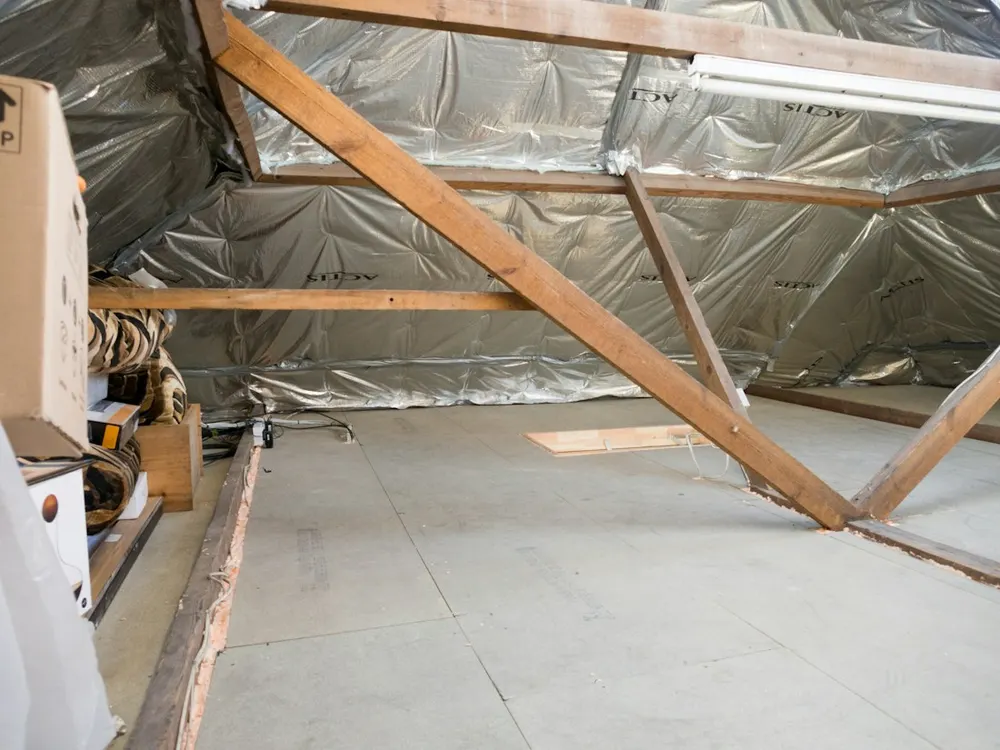
Illustrative attic photo. Thermal imaging is considered alongside the visible conditions.
Tell us where the discomfort is and when it happens. A useful inspection starts with those details, so the investigation stays focused on the problem you want to solve.
An upstairs room feels colder in winter or warmer in summer. Share how it compares with the rest of the home and when the difference is most noticeable.
A ceiling edge or another surface feels unusually cool. Thermal patterns can help focus a closer inspection, with the surrounding conditions considered too.
You are considering insulation or air sealing and want to understand the existing concern. Start with an inspection before deciding which work makes sense.
Thermal imaging reveals differences at the surface. Patterns may point towards insulation gaps, air leakage, or other conditions that need checking. A scan is a starting point for interpretation, rather than a diagnosis on its own.
We connect the findings with your comfort concerns and explain what they suggest, what remains uncertain, and what to look at next.
The camera records surface temperature patterns. It does not see directly through walls or ceilings.
Indoor and outdoor temperatures, sunlight, and weather influence how useful a pattern may be.
Compare the pattern with visible conditions. Further investigation may be needed before recommending work.
You deal with the same qualified installer from inspection through any agreed insulation work. We explain the approach before starting and keep the conversation connected to your home.
Share the affected rooms, the time of year, and any previous attic work. Photos of visible concerns can help start the conversation.
Discuss the area to review, access, suitable conditions, and what is included. Ask about any preparation before the visit.
Consider thermal patterns alongside the visible conditions and your description of the problem. We explain the findings in plain language.
The findings may lead to insulation or air sealing recommendations, or to further investigation. Understand the proposed scope before work begins.
Have a room that never feels comfortable? Tell us what you have noticed and where you are in the GTA. We will discuss whether thermal imaging is a useful part of the investigation.
A thermal camera shows surface temperature patterns. These patterns can help identify areas that deserve a closer look when investigating insulation or air leakage concerns. The image is interpreted alongside the conditions in your home and the other observations from the inspection.
No. The camera detects infrared energy from the surface it faces. Something within an assembly may influence its surface temperature, but the image does not show directly through the wall or ceiling. Further checks may be needed to understand the cause.
No. A temperature difference can have more than one explanation. A thermal image alone does not confirm moisture or identify mould. If a pattern raises a concern, the next step is to discuss what further investigation is appropriate.
Yes. Indoor and outdoor temperatures, sunlight, wind, and recent weather can affect the patterns visible on building surfaces. We discuss the concern and suitable arrangements before the visit rather than assuming every day will provide equally useful conditions.
A thermal camera inspection is a specific investigative tool. It should not be assumed to include a blower door test, a whole-home energy assessment, or documentation for a rebate program. Ask what is included in the proposed inspection before booking.
Tell us your city or area in the GTA, which rooms or surfaces are affected, and when you notice the problem. Mention any previous insulation work or visible changes. You will speak directly with a qualified installer about the concern and the next step.